
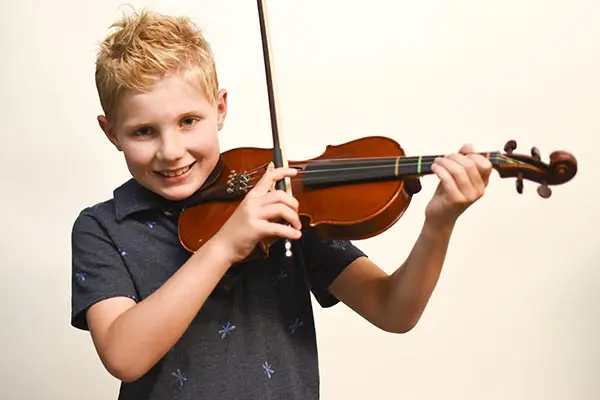
School orchestra can be an exciting experience. Students get to play music with others, prepare for concerts, and feel what it is like to be part of a group sound. But for many students, orchestra can also feel challenging.
Violin, viola, cello, and bass take patience. Students have to learn posture, bowing, finger placement, rhythm, note reading, and listening skills. In a school setting, teachers often work with many students at once, so it can be hard for every child to get the individual help they need.
That is where private string lessons can make a big difference.
At Berkley Arts Academy, string lessons give students one-on-one support so they can feel more confident in orchestra and enjoy playing more.
Private Lessons Give Students Individual Attention
In school orchestra, the teacher has to guide a full group. That means students may not always get help with the exact thing they are struggling with.
Private lessons are different.
A teacher can focus on one student’s needs. Maybe the student is having trouble holding the bow. Maybe their notes sound scratchy. Maybe they are confused by rhythm or struggling to keep up with class music.
In a private lesson, there is time to slow down and fix those issues.
This helps students feel less frustrated. Instead of falling behind, they get support that matches their level.
If your child is playing violin, viola, cello, or bass, Berkley Arts Academy’s string lessons in Berkley can help them build skills for school orchestra and beyond.
String Lessons Improve Tone
Tone is the quality of sound an instrument makes. On string instruments, tone can be tricky at first. Beginners may hear squeaks, scratches, or uneven sounds.
That is normal, but it can be discouraging.
Private string lessons help students learn how to create a better sound. They work on bow pressure, bow speed, bow placement, posture, and relaxed movement.
Small changes can make a big difference.
When students hear their sound improve, they feel more motivated. They begin to enjoy practicing because the instrument starts to sound the way they hoped it would.
Lessons Help With Note Reading
Many orchestra students are learning to read music at the same time they are learning to play their instrument. That can feel like learning two languages at once.
Private lessons can help students connect what they see on the page with what they play on the instrument.
A teacher can review notes, rhythms, finger patterns, and music symbols at a pace that works for the student. They can also help students understand their school orchestra music more clearly.
This makes rehearsals less stressful.
When students know what they are looking at, they can participate with more confidence.
Students Learn Better Practice Habits
One of the hardest parts of learning a string instrument is knowing how to practice. A student might play a piece from beginning to end over and over without fixing the hard spots.
Private lessons teach students how to practice smarter.
They learn to slow down, repeat small sections, use a metronome, check finger placement, and listen carefully to tone.
These habits help students improve faster and feel more in control.
Good practice habits also support school success. Students learn patience, focus, and problem-solving.
Lessons Build Confidence in Group Settings
Orchestra can feel intimidating when a student is unsure of their part. They may worry about playing wrong notes or getting lost.
Private lessons can help students feel prepared.
When students understand their music and feel better about their technique, they are more likely to play with confidence in rehearsal. They can listen to others, follow the conductor, and enjoy the group experience.
Confidence does not mean playing perfectly. It means feeling ready to try.
That makes orchestra more fun.
String Lessons Support Auditions and Chair Placement
Some students may want to audition for special groups, advanced ensembles, youth orchestras, or seating placements. Private lessons can help with preparation.
A teacher can help students choose audition music, improve technique, polish details, and practice performance skills.
Even if auditions are not the main goal, this kind of preparation teaches students how to set goals and work toward them.
They learn that growth takes time and effort.
One-on-One Support Keeps Students Motivated
String instruments can have a steep learning curve. If a student feels stuck for too long, they may want to quit.
Private lessons can keep students encouraged.
A teacher can choose music that fits the student’s level, celebrate progress, and make lessons feel personal. Students may work on school music, technique, and songs they enjoy.
This balance helps them stay motivated.
When students feel supported, they are more likely to keep playing long enough to experience the rewards of the instrument.
Help Your Child Enjoy Orchestra More
School orchestra is a wonderful opportunity, but private string lessons can help students get even more out of it. With one-on-one support, students can improve tone, reading, technique, practice habits, and confidence.
Instead of feeling lost or frustrated, they can feel prepared and proud.
If your child is playing violin, viola, cello, or bass this school year, explore Berkley Arts Academy’s string lessons in Berkley and help them shine in orchestra.