
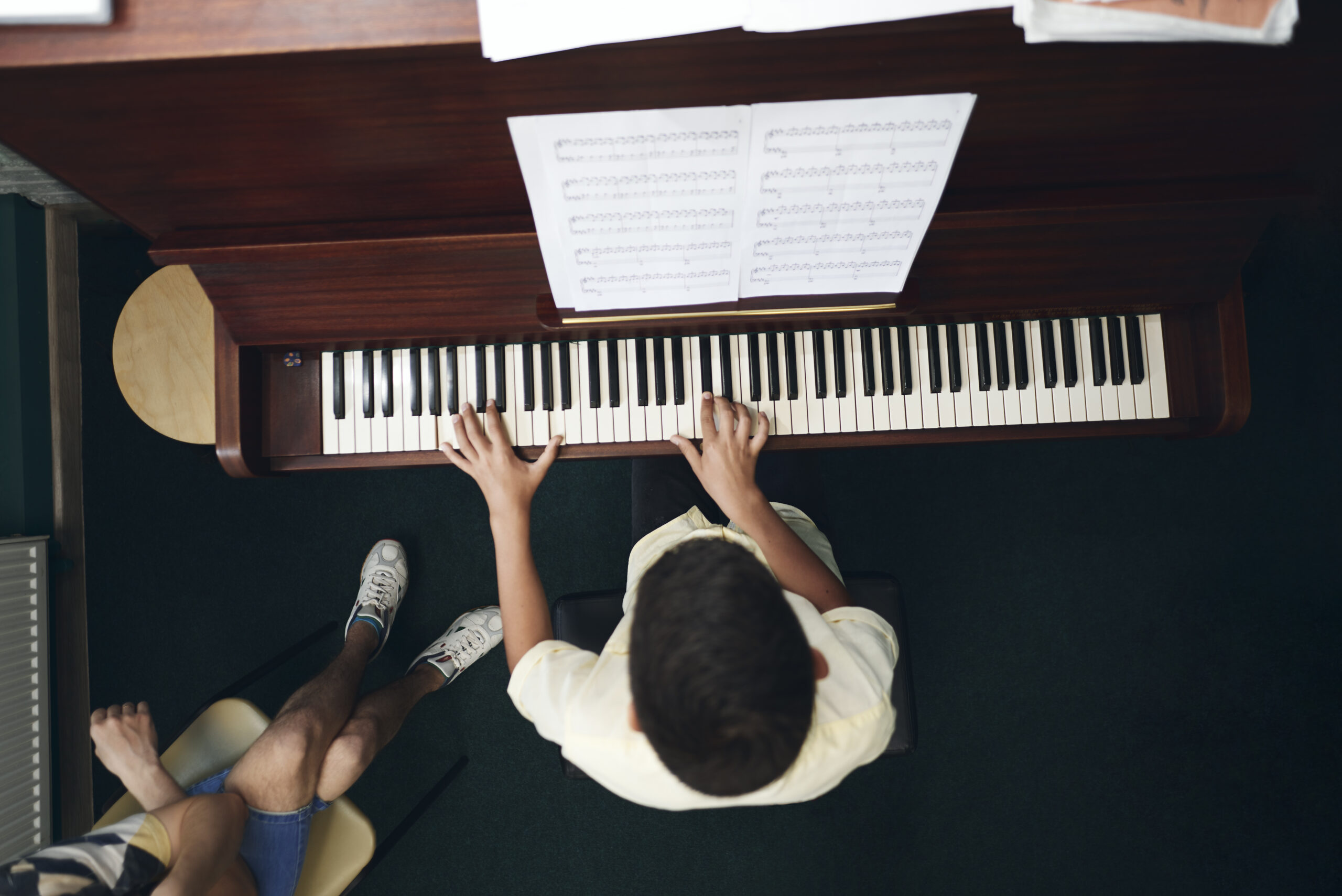
By October, the back-to-school rush has usually settled into something a little more predictable. Backpacks are unpacked, new teachers are familiar faces, and families finally know what their weekly schedule actually looks like. That makes October one of the best months of the year to either start piano lessons or lock in the momentum a student has already built.
Piano is one of those instruments that rewards consistency. A student who plays a little bit each week almost always makes more progress than one who practices in occasional bursts. October gives families a stable window to build that kind of rhythm before the busier weeks of November and December arrive.
Why Momentum Matters More Than Big Leaps
It is easy to think progress in music has to look dramatic to count. In reality, small and steady wins are what actually build a confident piano player. A student who reviews the same short passage a few times a week, a little at a time, usually ends up further ahead than one who crams once every two weeks.
October is a great month to reinforce that idea. School routines are established, extracurricular schedules have settled, and there is room to protect a regular, low-pressure practice time. That consistency is what turns “I’m learning piano” into “I can actually play this.”
Fall Routines Make Practice Easier to Stick With
One of the biggest challenges with any new habit is simply remembering to do it. Fall schedules tend to be more predictable than summer ones, which makes it easier to pick a consistent practice window. Some families like practicing right after school. Others prefer a slot before dinner or on weekend mornings.
The specific time matters less than the consistency. When practice happens at roughly the same time each week, it stops feeling like an extra task and starts feeling like a normal part of the routine, the same way homework or sports practice does.
Piano Builds Skills Beyond the Keyboard
Piano lessons ask students to do several things at once: read notes, count rhythms, coordinate both hands, and listen closely to the sound they are making. That combination builds focus in a way that carries over into schoolwork. Students learn to break a big task into smaller, manageable pieces, whether that task is a new song or a homework assignment.
This is especially valuable in October and November, when school workloads tend to pick up. A student who is used to slowing down, working through a tricky section, and trying again is often better equipped to handle a challenging math problem or a long reading assignment with the same patience.
New Students Can Still Start Strong This Month
If your child has been curious about piano but summer never felt like the right time, October is a great alternative. Beginners who start now have time to learn the basics, like note names, hand position, and simple songs, before the holiday season adds extra distractions to the calendar.
At Berkley Arts Academy, lessons are month-to-month, so there is no need to commit to a long-term contract just to give piano a try. Lessons are also available seven days a week, which makes it easier to find a time that actually fits a busy fall schedule.
Keep Practice Simple and Encouraging
Parents do not need any musical background to support piano practice at home. A short, positive check-in goes a long way. Asking your child to play what they learned that week, rather than critiquing it, keeps practice feeling like sharing instead of a test.
Ten to fifteen minutes of focused practice a few times a week is plenty for most beginners. The goal in October is not perfection. It is building a habit that can carry a student comfortably through the rest of the school year.
A Quick Note for Parents
You do not need any piano background yourself to help your child stay on track this month. The most useful thing you can do is protect a consistent practice window and stay curious rather than critical. Asking “What did you work on this week?” instead of “Did you practice?” tends to open up a much more positive conversation.
If your child has been playing for a while, October is also a good time to check in with their teacher about goals for the rest of the semester. A short conversation about what is going well and what could use more attention helps keep lessons feeling purposeful heading into the busier months ahead.
Signs Your Child Is Ready to Start
You do not need to wait for a specific age or skill level to start piano lessons. If your child shows curiosity around a keyboard, enjoys music at school, or has simply asked about lessons, that interest is usually reason enough to give it a try. Beginners of any age can start at Berkley Arts Academy, and lessons are shaped around where the student is starting from, not a fixed curriculum everyone has to follow at the same pace.
Group activities and school music programs are wonderful, but they cannot always give a student individual feedback in the moment. Private lessons fill that gap by adjusting pace and material specifically to your child, which is part of why steady, one-on-one instruction tends to produce such reliable progress over the course of a semester. Over time, that individualized attention also helps a teacher notice patterns, like which concepts click quickly and which ones need to be revisited, so lessons stay tailored to how your particular child learns best.
Use October to Set the Tone for the Rest of the Year
Whatever pace a student sets this month tends to carry forward. Students who build a steady practice habit in October usually find it easier to stay consistent through the holidays and into the new year, because the routine is already in place.
Piano lessons can give your child a creative outlet, a confidence boost, and a sense of accomplishment that grows week by week. If your family is ready to start or restart piano this fall, explore Berkley Arts Academy’s piano lessons in Berkley and find a lesson time that fits your October routine.